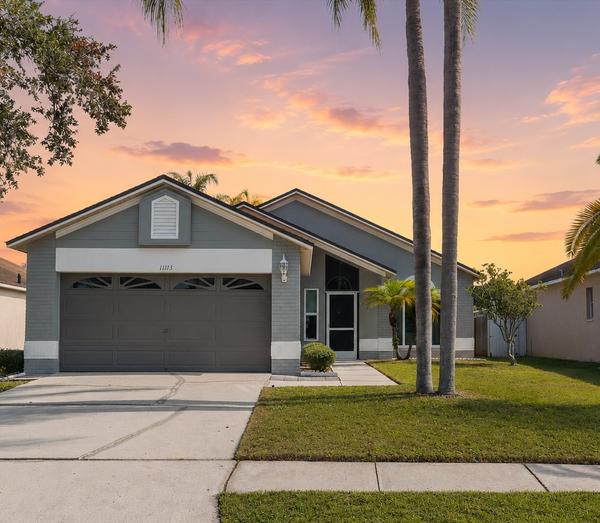

From Renting to Owning: How to Time Your Home Purchase in Tampa Bay
Thinking about trading your monthly rent payment for a mortgage? Timing your move can make all the difference.
One of the biggest advantages of renting is knowing exactly when your lease ends. Most leases run for 12 months, giving you a clear deadline to decide whether to renew or move. But when you're ready to purchase a home, the timeline isn't always quite so predictable.
Between finding the right property, securing financing, negotiating with sellers, and coordinating your move, there are several moving pieces to consider.
If you're thinking about making the transition from renting to homeownership in Tampa Bay, here's what you need to know to make the process as smooth and cost-effective as possible.
1. Start Your Home Search Before Your Lease Ends
One of the most common mistakes renters make is waiting until their lease is almost up before beginning the homebuying process.
While purchasing an existing home typically takes 30 to 60 days from an accepted offer to closing, that's only part of the timeline. You'll also need time to get pre-approved for a mortgage, explore neighborhoods, tour properties, and negotiate an offer.
Our recommendation? Start planning approximately three to six months before your lease expires. This gives you time to understand your purchasing power, identify the right home, and avoid feeling rushed into a major financial decision.
2. Understand How Different Homes Affect Your Timeline
Not all home purchases follow the same schedule.
Existing Homes: Purchasing a resale home typically takes about 30 to 60 days after your offer is accepted, depending on financing, inspections, appraisals, and the terms of your contract.
New Construction: If you're purchasing a completed or nearly completed new-construction home, you may be able to close relatively quickly. However, buying a home that's still being built could mean waiting several months.
Custom Homes: Building a custom home can take significantly longer. According to the National Association of Home Builders, construction timelines for custom homes have averaged approximately nine months, although individual projects can vary considerably.
If you're working around a specific lease expiration date, understanding these differences early can help you narrow your search.
3. Your Financing Can Impact Your Closing Date
How you plan to pay for your home also plays an important role in your timeline.
Cash Buyers: Without mortgage underwriting requirements, cash purchases can often close more quickly, assuming title work and other necessary steps are completed.
Mortgage Buyers: Most financed purchases take approximately 30 to 45 days to close, although some loan programs and circumstances may require additional time.
Getting pre-approved before you begin touring homes is one of the smartest steps you can take. Not only will you have a better understanding of your budget, but you'll also be prepared to act when you find the right property.
4. The Seller's Timeline Matters, Too
One factor buyers sometimes overlook is that the seller may have their own moving schedule.
Some sellers need to close quickly because they've already purchased another property. Others may request a longer closing period or additional time in the home after closing.
The good news? Closing dates and certain occupancy arrangements can be negotiated.
Working with an experienced real estate team can help you structure an offer that accommodates your lease expiration while remaining attractive to the seller.
In some cases, flexibility on your closing date may even give you an advantage over competing buyers.
5. Plan Ahead to Avoid Paying for Two Homes
One of the biggest concerns renters have about buying a home is the possibility of paying rent and a mortgage at the same time.
If your purchase closes too early, you could have overlapping housing expenses. If closing takes longer than expected, you may need to extend your lease or arrange temporary housing.
Before starting your home search, review your current lease carefully and find out:
-
How much notice is required before moving out?
-
Does your landlord offer month-to-month extensions?
-
Are there penalties for terminating your lease early?
-
Could you negotiate a shorter lease extension if needed?
It's also important to understand when your first mortgage payment will be due. In many cases, your first payment isn't due until the first day of the second month after closing, which can provide some additional breathing room when transitioning from renting to owning.
6. Don't Wait for the "Perfect" Time to Buy
While coordinating your lease and closing date is important, waiting for the perfect alignment could mean missing out on a home that's an excellent fit.
Instead, focus on being financially prepared, understanding your options, and creating a realistic timeline.
A little flexibility, combined with the right planning, can make the transition much easier than you might expect.
Ready to Make the Move From Renting to Owning in Tampa Bay?
Whether your lease ends in three months or you're just beginning to explore the possibility of homeownership, it's never too early to have a conversation.
At The Connors Team Tampa Bay, we help buyers navigate every step of the process, from understanding their budget and exploring neighborhoods to negotiating the right closing timeline.
Our goal is to help you find a home you love while minimizing unnecessary expenses, stress, and surprises along the way.
Thinking about buying a home in Tampa Bay in 2027? Let's start planning now.
Call or text Alison Connors at 813-758-3063 to schedule a buyer consultation.
The Connors Team Tampa Bay | RE/MAX Action First
Categories
Recent Posts